The real cost of Тренер по верховой езде: hidden expenses revealed
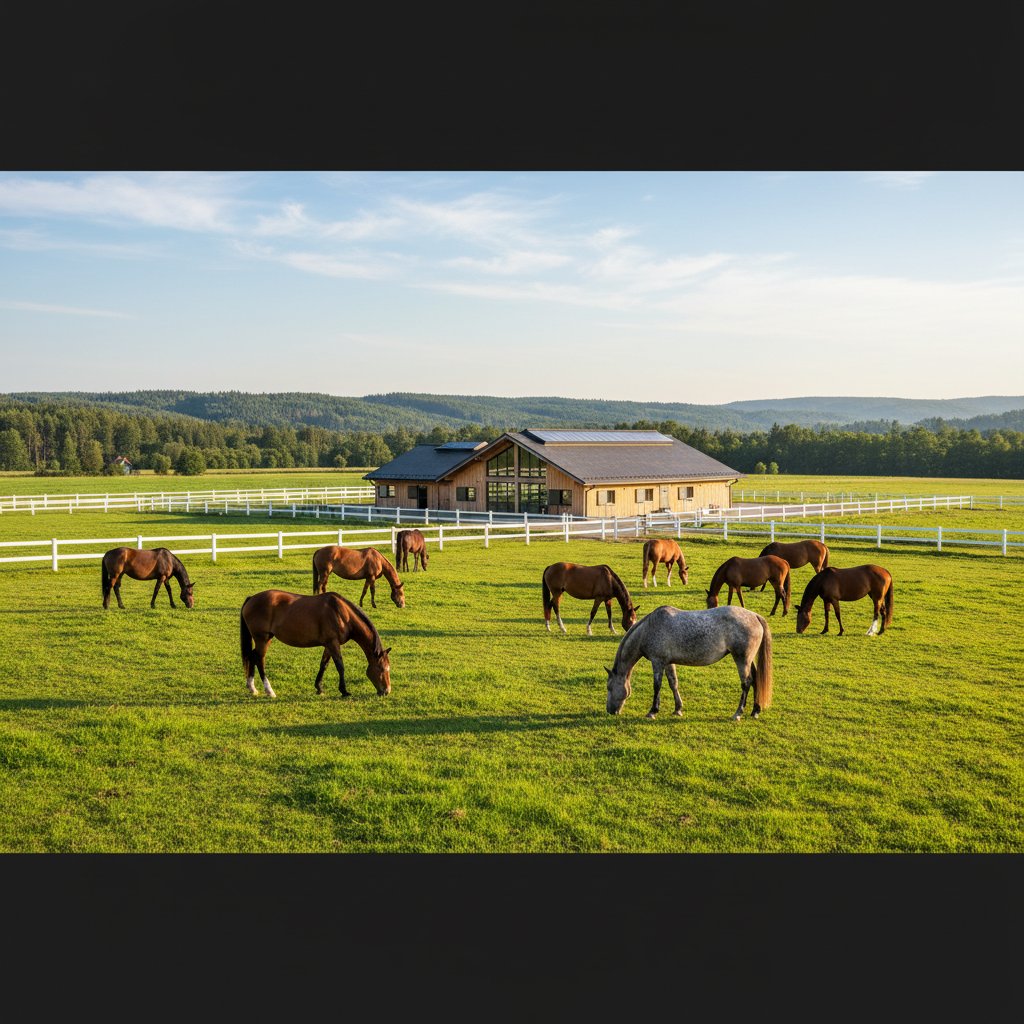
My friend Sarah thought she'd found the perfect side gig teaching horseback riding. The hourly rate looked great—$75 per lesson. She did the math: teach 20 lessons a week, and she'd pull in $6,000 monthly. Easy money, right? Six months later, she was barely breaking even. What happened?
The truth about becoming an equestrian instructor isn't just about what you charge students. It's about everything lurking beneath the surface—costs that can devour your income faster than a hungry horse tackles a hay bale.
The Certification Money Pit Nobody Warns You About
Let's start with getting qualified. You can't just wake up one day and decide to teach riding. Most reputable facilities require certification from organizations like the Certified Horsemanship Association or the British Horse Society.
The initial certification runs between $800 and $2,500 depending on the level. That's just the entrance fee. Add in mandatory continuing education—roughly $300-500 annually—plus recertification every few years at $400-600 a pop. Over a decade, you're looking at $8,000+ just to keep your credentials current.
And here's the kicker: liability insurance. Teaching riding without it is professional suicide. Annual premiums for equestrian instructors range from $1,200 to $3,000, depending on your location and coverage limits. One accident can bankrupt you without it.
The Horse Equation: Your Biggest Hidden Drain
Unless you're teaching at someone else's facility with their horses (and taking a massive pay cut), you need lesson horses. Plural. One horse can't handle 15-20 lessons weekly without breaking down.
Here's what owning three suitable lesson horses actually costs monthly:
- Board at a teaching-appropriate facility: $1,200-2,400 (or $400-800 per horse)
- Feed supplements: $150-300
- Farrier visits every 6-8 weeks: $350-600
- Routine vet care and vaccinations: $200-400
- Emergency vet fund (because emergencies always happen): $200-500
- Tack maintenance and replacement: $100-250
That's $2,200-4,450 monthly before you've taught a single lesson. Annually? We're talking $26,400-53,400.
The Equipment Nobody Budgets For
Saddles wear out. A decent lesson saddle costs $1,500-3,000 and lasts maybe 5-7 years with heavy use. Bridles, girths, stirrup leathers, pads—budget another $500-800 annually per horse for replacements.
Then there's arena maintenance. If you have your own space, dragging and maintaining footing runs $100-300 monthly. Jumps, poles, and training equipment? Another $2,000-5,000 initial investment, plus ongoing replacements.
Time: The Cost That Doesn't Show On Spreadsheets
Sarah's biggest miscalculation was thinking teaching meant just lesson hours. For every hour of instruction, add:
- 30 minutes of horse preparation and cool-down
- 15 minutes of arena setup and cleanup
- 20 minutes of administrative work (scheduling, billing, parent communications)
- 10 minutes of equipment checks and maintenance
That "one-hour" lesson actually consumes 2 hours and 15 minutes. Your effective hourly rate just dropped from $75 to $33. And that's before expenses.
The Facility Factor
Teaching at an established barn? They'll typically take 30-50% of your lesson fees. Sounds steep until you realize they're covering insurance, facilities, horses, and maintenance. Suddenly that arrangement looks more reasonable.
Running your own operation means either leasing or buying property. Leasing suitable acreage with facilities runs $1,500-4,000 monthly in rural areas. In more populated regions? Double it.
What The Numbers Really Look Like
Let's revisit Sarah's situation with real math. Teaching 20 lessons weekly at $75 each:
Monthly Revenue: $6,000
Monthly Expenses:
- Horse care and boarding: $3,000
- Insurance: $200
- Facility costs: $2,000
- Equipment and maintenance: $400
- Continuing education and certification: $100
- Marketing and admin: $200
Total Expenses: $5,900
Net profit? $100 monthly. That's $1,200 annually for what amounts to a 40+ hour work week.
Key Takeaways
- Certification and insurance alone cost $2,000-5,500 annually before you teach anyone
- Each lesson horse requires $8,800-17,800 yearly in basic care—multiply by your string size
- Your actual time investment is 2-2.5x the lesson duration, cutting effective hourly rates dramatically
- Teaching at established facilities may take 30-50% of fees but eliminates most overhead headaches
- Plan for 60-70% of gross revenue to disappear into expenses if you're running your own operation
The equestrian instruction business isn't impossible—plenty of people make it work. But they do it with eyes wide open, realistic pricing, and usually multiple income streams: training rides, clinics, horse sales commissions, and online coaching. The Instagram-perfect life of teaching riding? That's the 1% who've figured out the business side as well as the horse side.
Sarah eventually pivoted. She now teaches at someone else's barn three days weekly, does online coaching, and runs weekend clinics. She makes less per lesson but keeps more of it. Sometimes the real win is knowing which battles to fight and which horses to let run free.